Natural Nutrients and Physiological Flow
Understanding how natural food sources support normal metabolic and circulatory processes
Learn More
Physiological Flow Basics
The human body maintains complex physiological processes that depend on proper nutrient intake. Metabolic pathways, circulatory systems, and energy production are natural processes that occur when adequate nutrition is available. Understanding how different nutrients support these fundamental mechanisms is essential for informed dietary decisions.
Physiological flow refers to the natural, continuous operation of the body's metabolic and circulatory systems. This includes processes such as:
- Nutrient transport through the bloodstream
- Energy metabolism and ATP production
- Oxygen distribution to tissues
- Hormonal regulation of bodily functions
- Metabolic rate and thermogenesis
These processes depend on consistent intake of specific nutrients found naturally in everyday foods. This educational resource explains the scientific basis of how certain nutrients participate in these normal physiological functions.
This resource provides factual, science-based information about how nutrients function in the body. It is not medical advice, and individual needs vary.
Nutrients in Circulation
| Nutrient | Key Physiological Role | Primary Functions |
|---|---|---|
| Omega-3 Fatty Acids | Cardiovascular support | Supports blood flow, reduces inflammation, regulates triglycerides |
| Iron | Oxygen transport | Essential for hemoglobin, carries oxygen to tissues |
| Vitamin E | Antioxidant function | Protects cells, supports circulation, maintains tissue integrity |
| Folate (B9) | Metabolic pathways | DNA synthesis, homocysteine metabolism, energy production |
| Magnesium | Muscle and nerve function | Supports cardiovascular health, regulates blood pressure |
| Vitamin K | Blood coagulation | Regulates clotting factors, supports cardiovascular health |
| Iodine | Metabolic regulation | Essential for thyroid function, metabolic rate control |
Product Examples: Natural Nutrient Sources

Herring
Key Nutrients: Omega-3 fatty acids, Iodine, Vitamin D, Selenium
Herring is among the richest natural sources of omega-3 polyunsaturated fatty acids, which support cardiovascular circulation and metabolic processes. The iodine content is essential for normal thyroid function, which regulates overall metabolic rate.
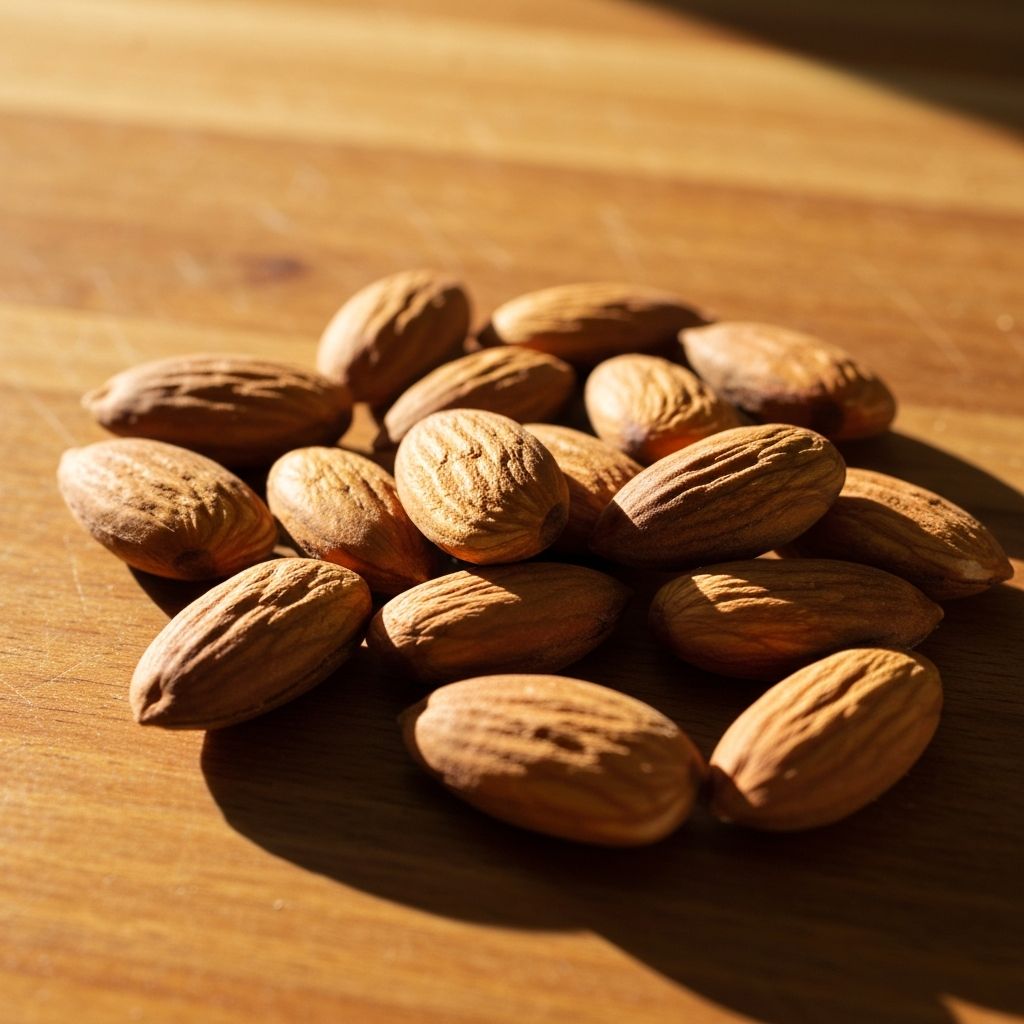
Almonds
Key Nutrients: Vitamin E, Magnesium, Fiber, Antioxidants
Almonds provide significant amounts of vitamin E, a powerful antioxidant that supports cellular health and circulation. Magnesium content makes almonds valuable for metabolic regulation and cardiovascular function.

Asparagus
Key Nutrients: Folate, Vitamin K, Vitamins A and C
Asparagus is an excellent source of folate, which plays critical roles in energy metabolism and DNA synthesis. High vitamin K content supports vascular health and blood coagulation mechanisms.
Iron Circulation Support
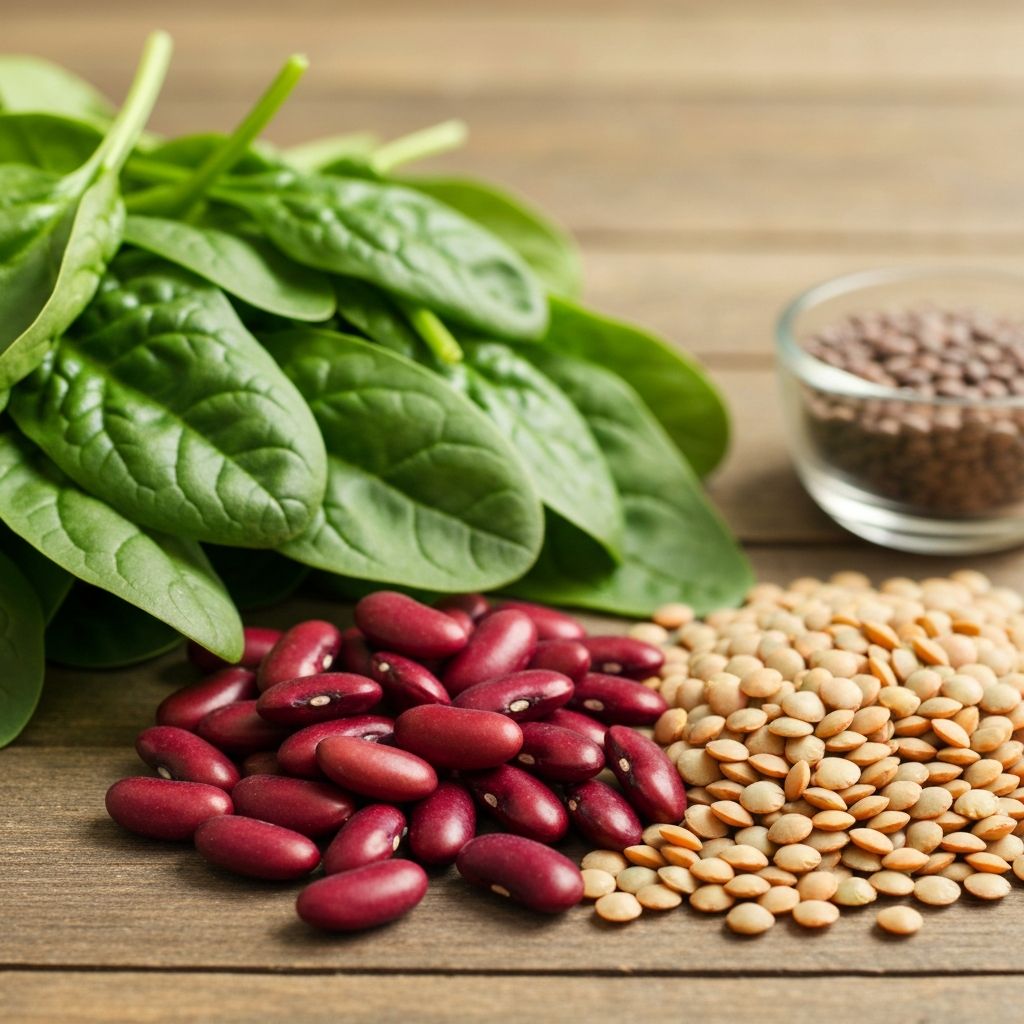
Iron is fundamental to oxygen transport and energy production. It forms the core of hemoglobin molecules in red blood cells, enabling the transport of oxygen from the lungs to all tissues in the body.
Natural Sources of Iron:
- Red lentils and other legumes
- Spinach and leafy greens
- Red beans and chickpeas
- Pumpkin seeds
- Tofu and soy products
Regular consumption of these iron-rich foods supports normal hemoglobin levels and optimal oxygen circulation throughout the body. The body's iron metabolism is tightly regulated through absorption and recycling mechanisms.
Vitamin E Sources and Functions
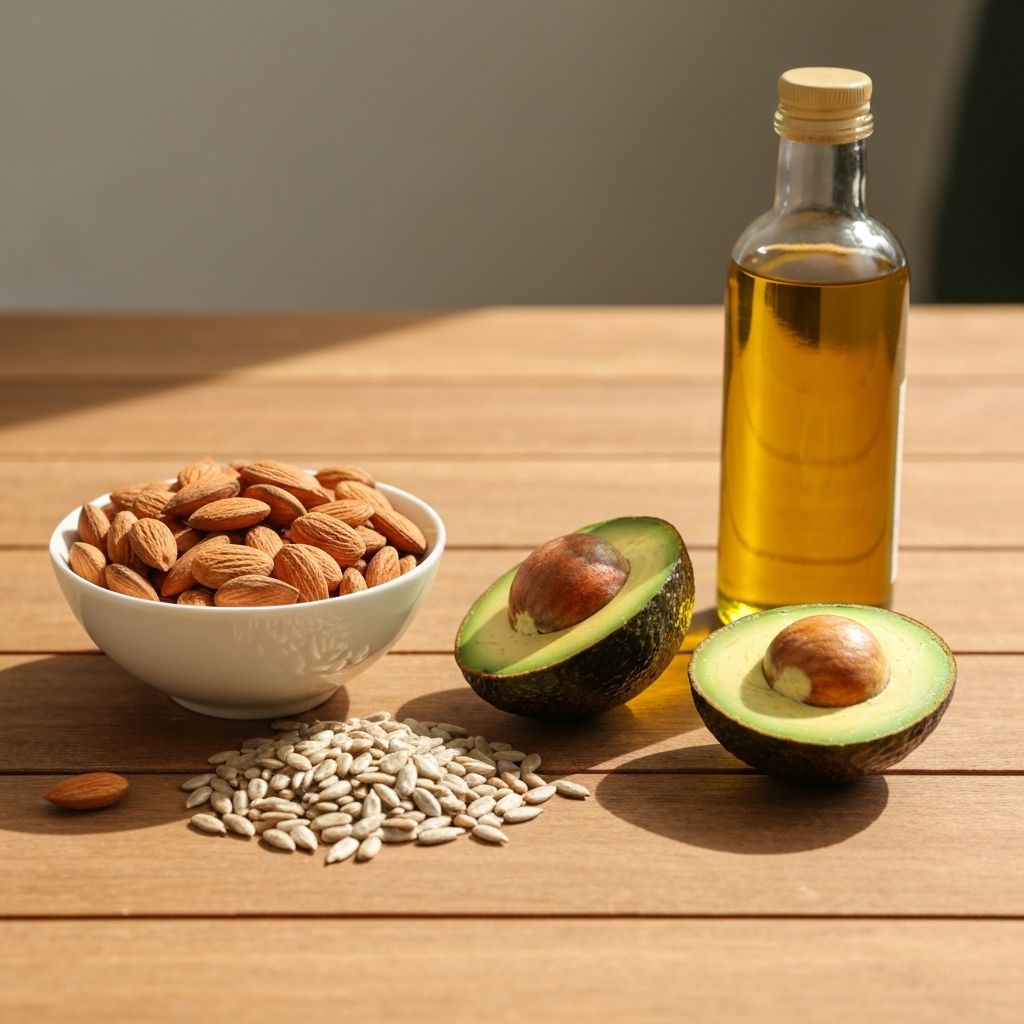
Vitamin E functions as a lipid-soluble antioxidant, protecting cell membranes from oxidative stress. This vitamin supports the integrity of vascular walls and promotes normal circulation throughout the body.
Rich Natural Sources of Vitamin E:
- Almonds and other tree nuts
- Sunflower and pumpkin seeds
- Spinach and other leafy greens
- Vegetable oils (olive, sunflower, safflower)
- Avocado
Including these foods in a regular diet provides the body with consistent vitamin E intake, supporting cellular health and cardiovascular function through natural, whole food sources.
Folate in Natural Flow
Folate (vitamin B9) is essential for multiple metabolic pathways, particularly in energy production and DNA synthesis. This nutrient plays a critical role in the conversion of amino acids and fatty acids, supporting the body's natural energy systems.
Folate supports the synthesis of nucleotides and the metabolism of homocysteine. Proper folate levels contribute to normal cellular function and metabolic efficiency.
Spinach, asparagus, lentils, chickpeas, broccoli, and other leafy greens provide abundant folate naturally. Regular intake supports ongoing metabolic processes.
Omega-3 Flow Role
Omega-3 polyunsaturated fatty acids are crucial for cardiovascular and metabolic health. These essential fatty acids cannot be synthesized by the body and must be obtained through diet.
Key Functions of Omega-3:
- Support healthy blood flow and circulation
- Reduce inflammatory markers in the body
- Maintain cell membrane flexibility
- Support neural function and brain health
- Regulate triglyceride and cholesterol levels
Natural omega-3 sources include fatty fish like herring and mackerel, as well as plant-based sources like flax seeds, walnuts, and chia seeds. Including these foods regularly supports the body's natural circulatory and metabolic functions.

Circulatory Nutrients
Supporting healthy circulation requires a combination of nutrients working synergistically. These nutrients work together to maintain normal blood vessel function, proper blood pressure regulation, and efficient oxygen delivery.

Nitrate-Rich Foods
Beetroot, pomegranate, and leafy greens contain naturally occurring nitrates that convert to nitric oxide in the body. This molecule supports vascular health and normal blood pressure regulation through natural physiological mechanisms.

Antioxidant Sources
Broccoli, green tea, and berries contain polyphenols and other antioxidants. These compounds support cardiovascular function by protecting blood vessels and maintaining normal endothelial function.
Energy Pathway Context
The body's energy systems operate through interconnected metabolic pathways. The primary energy currency, ATP (adenosine triphosphate), is produced through various mechanisms including glycolysis, the citric acid cycle, and oxidative phosphorylation. Each pathway requires specific cofactors and nutrients.
B vitamins serve as essential coenzymes in energy metabolism. They facilitate the breakdown of carbohydrates, proteins, and fats into usable energy. Consistent intake of B-vitamin sources ensures normal metabolic efficiency.
Minerals like magnesium, zinc, and copper function as cofactors in hundreds of enzymatic reactions. These minerals are essential for the normal operation of metabolic pathways that produce usable energy.
Regular Intake Benefits
Consistent, regular consumption of nutrient-dense foods supports the body's ability to maintain optimal physiological function. The human body cannot store all nutrients long-term, requiring ongoing replenishment through diet.
The body requires a steady supply of nutrients daily. Water-soluble vitamins cannot be stored and must be replenished regularly through food sources.
Regular nutrient intake maintains stable metabolic function and prevents deficiency states. Consistent nutrition supports the body's natural regulatory mechanisms.
Dietary consistency over time supports the body's ability to maintain normal function. Whole food sources provide multiple nutrients that work synergistically.
Metabolic Rhythm Notes
The human body operates according to circadian rhythms and metabolic patterns. Nutrient absorption, hormone secretion, and metabolic rate follow daily cycles influenced by light, activity, and meal timing. Understanding these natural rhythms can inform nutritional choices.
Digestive Efficiency: The body's digestive capacity varies throughout the day. Enzyme activity peaks during certain hours, affecting nutrient absorption. Distributed meal timing supports consistent nutrient availability.
Nutrient Timing: Different nutrients are absorbed and utilized at different times. Some are more efficiently absorbed with food, while others require specific conditions for optimal bioavailability. Diverse dietary patterns support comprehensive nutrient status.
Scientific Flow Facts
- Hemoglobin turnover: Red blood cells are replaced approximately every 120 days, requiring consistent iron intake for continuous oxygen transport capacity.
- Metabolic rate: Thyroid function, influenced by iodine availability, can vary by 20-30% based on nutritional status, affecting overall energy metabolism.
- Endothelial function: Blood vessel health depends on ongoing nitric oxide production, supported by nutrients like folate and arginine from dietary sources.
- ATP production: A single cell can produce approximately 20-32 ATP molecules from one glucose molecule through complete oxidation when all necessary cofactors are present.
- Nutrient bioavailability: Nutrient absorption rates vary significantly (iron: 2-20%, calcium: 20-40%) based on food source, preparation, and individual factors.
- Homocysteine metabolism: Folate, B6, and B12 work together to maintain normal homocysteine levels, supporting cardiovascular health.
- Antioxidant capacity: The body produces both internal antioxidants (SOD, catalase, glutathione) and absorbs dietary antioxidants (vitamin E, polyphenols, vitamin C) for comprehensive defense.
Information Disclaimer
Educational Content Only. This website provides factual, science-based information about nutrients and physiological processes. It is not intended as medical advice, diagnosis, or treatment recommendation.
Individual nutritional needs vary based on age, health status, activity level, and other factors. This information should not replace consultation with qualified healthcare professionals for personalized recommendations.
We make no promises about specific outcomes or individual results. The information presented reflects current scientific understanding and is updated regularly as research evolves.